
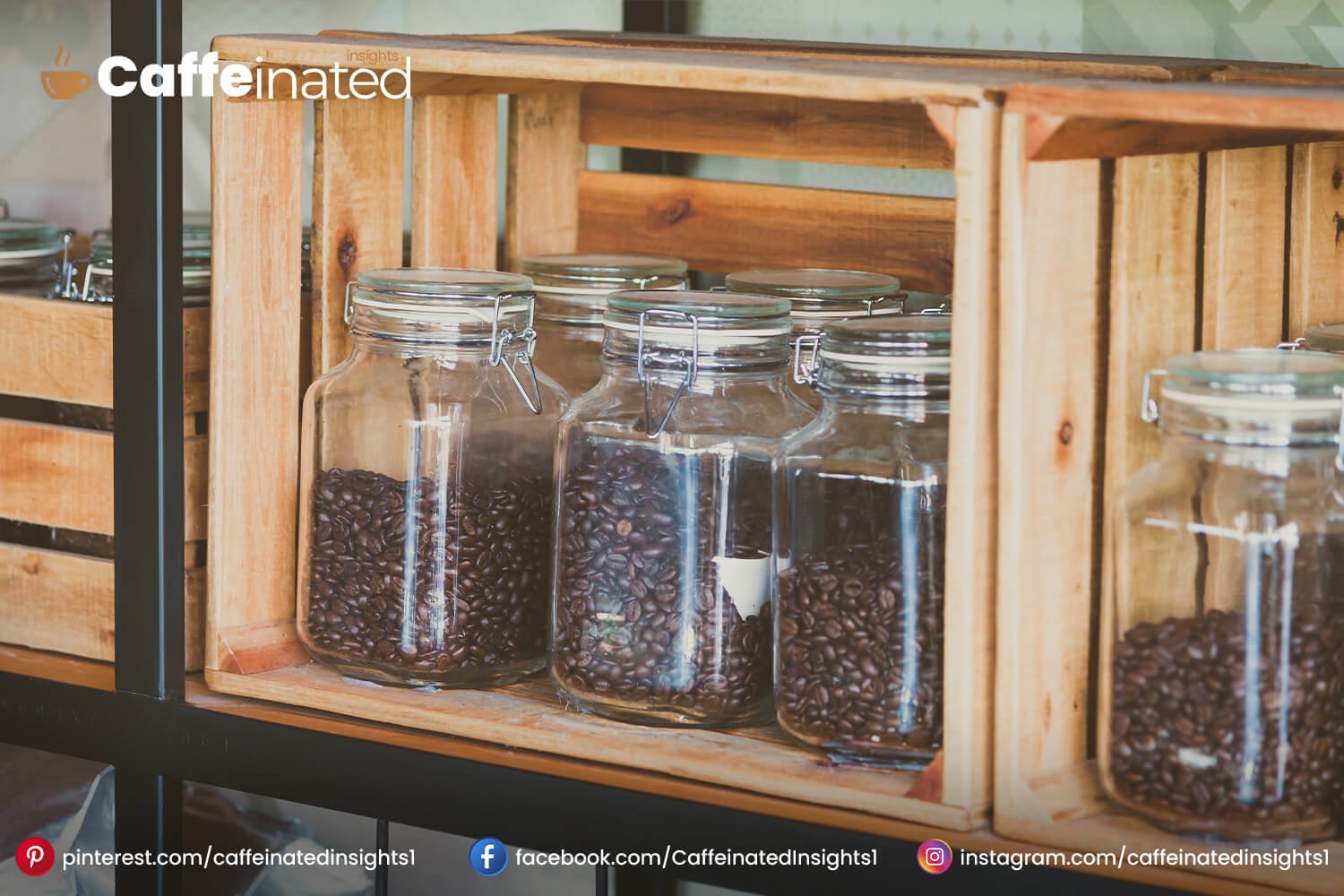
How to extend Coffee Shelve Life: Step-by-Step Guide
Whether an enthusiast or a vendor, there is one single aim: Keep it fresh for as long as it is. Whether ground coffee, whole beans, or instant coffee, its extension of shelf life comes as a course of nature that can assure a well-balanced flavor and scent fit to be savored as long as it could.
There are practical ways of enhancing shelf life in coffee, and we will look at the article not only regarding the storage conditions but also advanced techniques in packaging. Here are a few essential points that will help you go for maximum freshness out of your coffee and its best qualities.
1. Understanding the Enemies of Coffee Freshness
To preserve the coffee for a longer time, first know what degrades it. There are four major factors that cause the decrement in the quality of coffee
– Oxygen
This gives oxidation, by which coffee loses its flavors and freshness by breaking down.
– Moisture
As coffee is a hygroscopic product, it absorbs moisture from air. Moisture itself causes the flavor to disappear, and hence these coffee becomes stale.
– Heat
Heat enhances the rate at which aromatics break down and ultimately leads to the deterioration of flavour.
– Light
UV radiations emitted by sunlight break down the quality of coffee as the decomposition of essential oils and aromatic compounds.
Good storage and packaging offset these factors hence the shelf life of coffee can thus be maximized.
2. Good Storage Techniques
i) Tight Containers
Perhaps the most straightforward and achievable manner for which coffee can be preserved for a significant period is through storing in an airtight container. Coffee loses its fragrant flavor pretty quickly since, when exposed to air, oxygen forms bindings with the aromatic compounds in coffee, hence turning it stale.
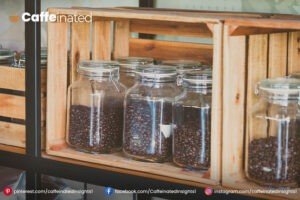
ii) Airtight Glass Containers with Rubber Gaskets
The jars should not allow the penetration of oxygen. It must be a glass container so that it will be transparent but it should not be exposed to direct sunlight as well since it allows light to pass anyway.
iii) Opaque Vacuum-Sealed Containers
This should present that which would appear as opaque in nature, so that light cannot penetrate through them. It would even be more ideal if one were to consider vacuum-sealed jars that would reduce most of the oxygen content.
How to ensure that it would not absorb moisture
Moisture and water are enemies of freshly brewed coffee.
i) Keep it out of the refrigerator
Of course, most would think you should keep your coffee in the fridge. That’s temperature change and, by extension, a little bit of condensation. The chance of moisture getting into the coffee becomes very much larger. It does best over long periods to keep it sealed up tight without opening the bags and refrigerated.
ii) Store it in a Cool, Dry Place
Probably the best place for you to store your coffee would be the pantry cabinet or that kitchen cabinet kept away from direct sunlight.
– Temperature Control
Your coffee would break down flavor compounds if exposed to heat. Store your coffee in that coolest spot in your kitchen, away from ovens and stovetops.
Areas of Constant Fluctuation Temperature
Areas where temperature is known to fluctuate constantly should be avoided. This results to moisture, no doubt affects the taste of coffee
– Light Avoidance
Coffee dislikes light. The UV rays in the sunlight destroy the aromatic oils responsible for the flavors in coffee. Store your coffee in dark or non-transparent containers, which will prevent light from hitting the coffee. In case you use a transparent container, store it in a light-inert room .
Avoid clear plastic bags
Coffee in clear bags degrades very fast because it is exposed to both light and air .
3. Buy coffee in small quantities
One would be buying such small quantities that could be consumed in a much shorter time frame. Then, chances of prolonged exposure to such factors as air and moisture which degrade the quality are avoided.
Buy less in bulk
Saving money by buying a large quantity of coffee exposes large amounts of coffee to air time and time again so it goes stale faster.
Fresh Over Quantity
Just buy what would last one or two weeks because coffee loses freshness very shortly after it is roasted.
4. Freeze for Long Term Storage
Actually, freezing your coffee would eventually turn out to be an effective method in preserving your coffee’s freshness if done properly. But here are some guidelines that one should follow
Pack it
Pack your coffee into small pouches or containers that would contain a week’s supply of your coffee. This reduces the exposure to air since you withdraw one portion for use.
Freeze in smaller portions not too frequently
Freezing and Thawing causes the moisture to collect together hence making the flavors be lost. One would bring out only the amount needed for a shorter time.
Use Vacuum-Sealed Bags
Use vacuum bags to prevent freezer burn long term
5. Buy Whole Beans Instead of Pre-Ground Coffee
Coffee stales the moment it is ground
Any increase in surface area merely accelerates oxidation. Buy whole beans and grind as near as possible to the moment of brewing.
Retains Aroma and Flavor
Freshly grind your coffee and you may be assured that no volatile aromatic compounds have evaporated, which should contribute significantly to the flavor.
Buy a Good Grinder
To give you consistent grind with much less heat build-up while grinding and saves more flavor, use a burr grinder.
6. Packaging Suits
Another factor that enhances the shelf life of coffee is packaging especially if one is selling or intends to stock the coffee for a long time. There are many high-tech techniques that can keep the coffee fresh, including:
-
Vacuum-sealed bags
Vacuum seal bags are just ideal for retaining freshness in coffee since they remove most of the air found in the environment. It also lets the coffee have less exposure to oxygen and, therefore, improves shelf life by a reasonable margin.
-
One-Way Valve Bags
After roasting for some days, it off-gas carbon dioxide. One-way valve bags let it off-gas without exposing it to oxygen. Thus it keeps the coffee fresh without inflating or bursting the bag.
Nitrogen Flushing Some use nitrogen flushing with one-way valve bags. In this method, they flush out the oxygen already there and fill it with inert, which is also preservative to coffee.
-
Metallized and Foil-Lined Bags
These bags have less light penetration and water vapor penetration than paper or clear plastic bags. The best type of bag for long-term storage is the foil-lined, and for maximum freshness, they are used with one-way valves.
7. Storage Date Control
Actually, freshness of the coffee starts to decrease immediately after roasting, so controlling the date of roasting maximizes shelf life.
Purchase freshly roasted coffee
Guarantee that they are within a week or two before they are roasted. Thus, you are dealing with the freshest product.
Observed within the best time
The coffee is at its best in flavoring days ranging from 7 to 21 days after it has been roasted. You are certain of sure
at flavor if you consume within this period.
8. Minimize Air Contact when opened
The shelf life of the bag reduces significantly when the product is opened because it gets open to much air contact. Here are a few ways through which air contact can be reduced:
Close Immediately After Use
Whenever you happen to make use of the coffee, close the coffee bag or scoop its contents into an airtight container. Coffee is placed in the package provided with a bag clip that ensures minimal contact between the air and the coffee occurs.
Home Vacuum Sealer
You employ a home vacuum sealer that expels the excess air when one opens the bag of coffee. This is how moisture cannot get into the coffee and hence remains fresh until when one consumes the coffee.
9. Packaging of Instant Coffee
Though not as stable as ground or whole bean coffee, any storage method stops the intake of moisture.
Tight container
If instant coffee is opened, it will be impossible to seal again; transfer it to a tight container.
Cool, dry place
Coffee should be kept in a cool, dry place. Moisture causes clumping and eventually affects flavor.
10. Never store coffee close to strong smells
The coffee absorbs extrinsic smells. Coffee beans pick scents when kept near aromatic materials such as spices, onions, or chemicals, and those smokes will flavor the coffee beans.
Storage Location
In case you want to keep the coffee flavors and fragrances, store them in a different location with minimal exposure to overpowering smelling substances.
Conclusion
Simply put, extending the shelf life of coffee means lessening or minimizing as much as possible oxygen, moisture, heat, and light exposure to those factors that would cause your coffee to become stale. And that even might sound simple if you store your coffee in an airtight container, keep it away from temperature fluctuations, and use the right sort of packaging that maximizes its shelf life.
Whether you are a coffee enthusiast or a retailer who would want to reserve the best quality for your customers, these processes will ensure that your coffee stays as fresh and aromatic as long as you can manage it.
