
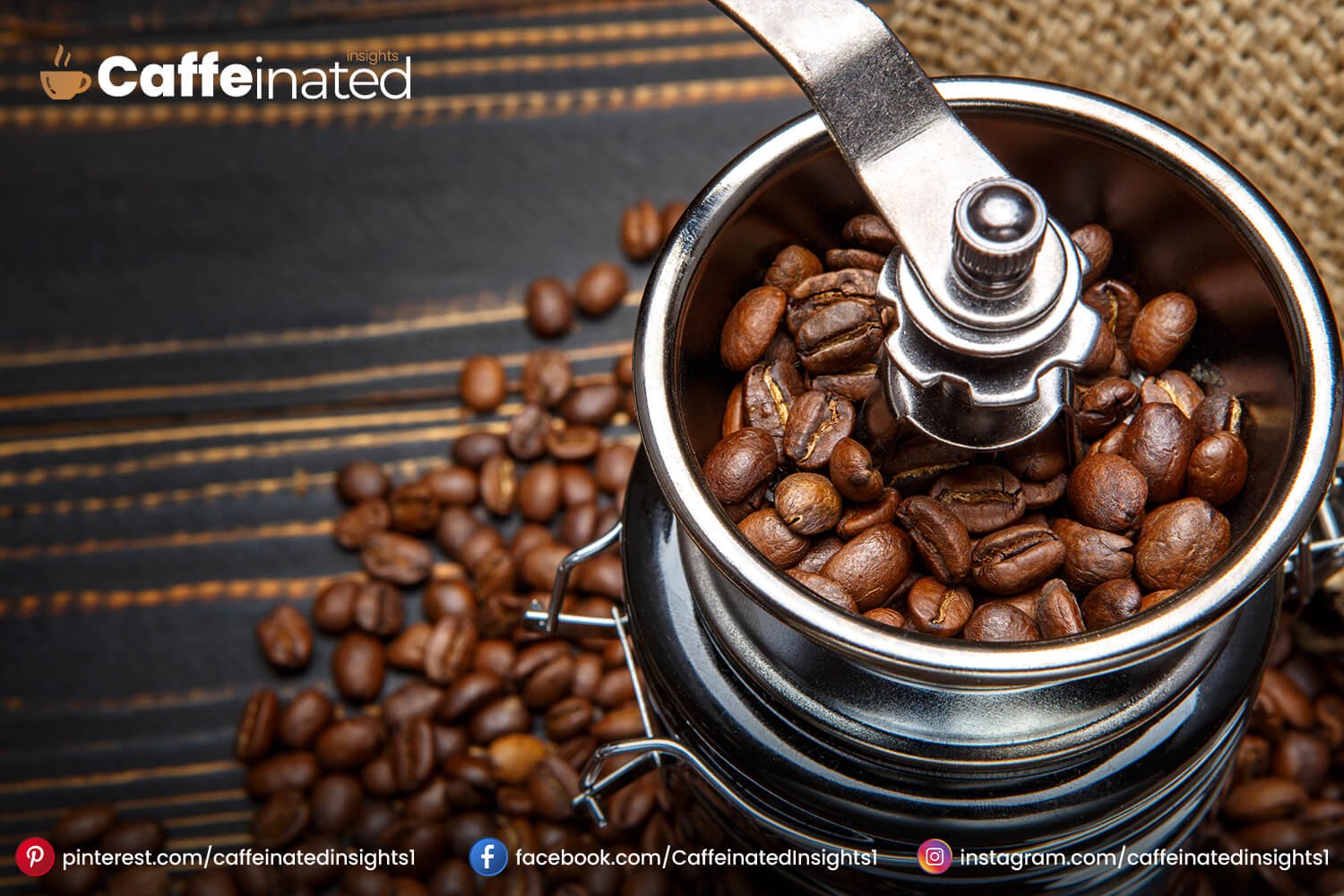
Home roasting is one of those experiences that will let you experience all stages of coffee – from raw green beans all the way through to aromatic roasted beans. Apart from fresh coffee, home roasting gives you a certain level of roast in meeting your needs. Not that hard to get started with, once you learn enough and practice enough, it is pretty easy. Here’s a post that will take you through everything you should know about how to roast coffee at home successfully.
1. Why Roast Coffee at Home?
Roasting your coffee at home has several benefits
Freshness
Fresh from the roaster, your freshly roasted coffee is fresh within just days after the roasting process. And so, home roasting guarantees you will have your fresh beans ready each time.
Flexibility
You can now select roast-dark, light, or whatever you please-your choice.
Value for Money
Green coffee beans are always cheaper than the roasted ones. Roasting at Home Offers a person access to incredible opportunities in the kind of beans and variety of roast profiles.

2. Discuss the Roasting of Coffee
a. How Do Coffee Roast?
Yellowing
The beans become dry and are yellowish
First Crack
First crack is heard as the beans expand in size, swell and pop off of pores and allow gases to get out. That would make them qualify to be light roasts .
Second Crack
When that second crack occurs then it would be dark roasted, almost at the French or Italian roast category.
Darkening and Oil Release
By this point, the oils come up and are emitting that shine almost as though it is varnished. This is when, at darker roasts, it is assumed to be absolutely perfect.
Roast Levels
Light Roast
retains all its acidity and fruity flavors
Medium Roast
balanced with a little bitterness in order to neutralize the acidity.
Dark Roast
somehow less acidic, would have a slightly more smoking, that will be balanced out in the bitterness profile.
3. Roasting Coffee at Home
1.Green coffee beans: Specialty coffee houses, or online retailers.
2.Roasting Equipment: Pan or Skillet: stovetop pan roasting.
4.Popcorn Popper: For the budget- and initiative-poor.
5. Home Coffee Roaster: dedicated equipment with as much control over the roast process as possible.
6. Source of heat: This depends on what you will be roasting; you are probably roasting stovetop, oven, or electric roaster
7. Thermometer: These will read temperatures
8. Colander or Cooling Tray: When cooling beans, this is to cool it fast.
9. Wooden Spoon or Spatula: It is used in stirring your beans for the whole period of your roast.
It’s actually a pretty easy process when using the first roast. There is consistent stirring rousing, and it smokes very smokily. Recipe Instructions
1. Pan heat: Thicken a heavy skillet or pan on the stove over medium heat for 5 minutes and preheat.
2. Add beans: Add the beans Pour in the green coffee beans in a layer.
3. Stir frequently: You are supposed to stir the beans using a wooden spoon or spatula so that you ensure it is roasted evenly.
4. First crack: After approximately 57 minutes, first crack begins. Actually, it will hint at light roast.
5. Continue Roasting: for darker roast, you would just continue and just wait until second crack happens.
6. Cool the Beans: Place beans in a colander and shake them to cool
7. Let Them Rest: Allow beans to degas for at least 12-24 hours before roasting.

b. Roasting Coffee with a Popcorn Popper
Hot-air popcorn popper is probably the easiest and quickest way of roasting coffee at home .
Steps:
1. Guide Popper: Suggest that he puts his popper in an open room or outside because this machine smokes
2. Beans: A few green coffee beans and fills the popper
3. Roast: Tossed the popper only until beans turn out to be well roasted.
4. Cracks to Listen: Roast up till when you can hear the first crack. Then you know it is ready anytime you hear the second crack.
5. Cool the Beans: After you have roasted your bean to the intensity you want, place your beans on a cooling tray.
6. De-Gas the Beans: Allow them to sit for some time, a day before brewing .
c. Automatic Home Coffee Roaster
This type is likely to warrant a consistency in your results. They are set up mainly with presets for temperature control and also come with roasting profiles.
1. Roaster Preheating: Refer to the manufacturer’s guideline as given for preheating
2. Green Coffee Beans: You should know the quantity of green coffee you would add so you can put it in your roaster
3. Roast Profile: Light, medium, or dark
4. Continue with Operation: If possible, check how the roast has developed.
5. Cool the Beans: Allow the machine to cool beans or cool the beans in the cooling tray
6. Let the beans sleep: Let them sleep for 12-24 hours before brewing with them
4. Cooling the roasted coffee beans
You would need immediate cooling of the beans to halt the roasting and over-roasting process. Strain the roasted beans to a metallic strainer and stir them as well so that heat is released. You can also put these in front of a blower so that your beans cool faster
5. Tips in Roasting Success at Home
Small Batch Roasting
It will pay off and waste less by doing the small batch roasting.
Use Ventilation
Since it smokes, try it out with good ventilation or roast outdoors.
Keep a Roasting Journal
Take settings and their results to use later.
Practice Patience
Time and practice are required to master roasting coffee. Try different beans and profiles till you discover what your ideal roast is.

6. Storage of Roasted Coffee Beans
Store and pack your roasted coffee beans in an air tight container, in an area that is dark, cool and has less moisture. The best container for storing freshness is ceramic or stainless steel with one way valve. Never store them in the fridge or freezer as that may introduce moisture to them, thereby altering their flavor.
7. Play around with Roast Profiles
To build a feel as you roast, try these profiles:
- Light Roast: fruity and acidic. Good for pour-over coffee
- Medium Roasts: the balance of sweetness, acidity and bitterness all good, after all. Good roast for drip coffee
- Dark Roasts: it will give you all of the good, strong smoky flavors. Very suitable for espresso or French press.
And home element is pretty fulfilling, that roasting turns from bean to cup. But with practice, you’ll really start loving roasting even more and finding those roast levels, you like them. So you can try everything: light fruity notes or rich dark flavors with every cup.
So get your green beans under your roaster and start roasting coffee today!
