
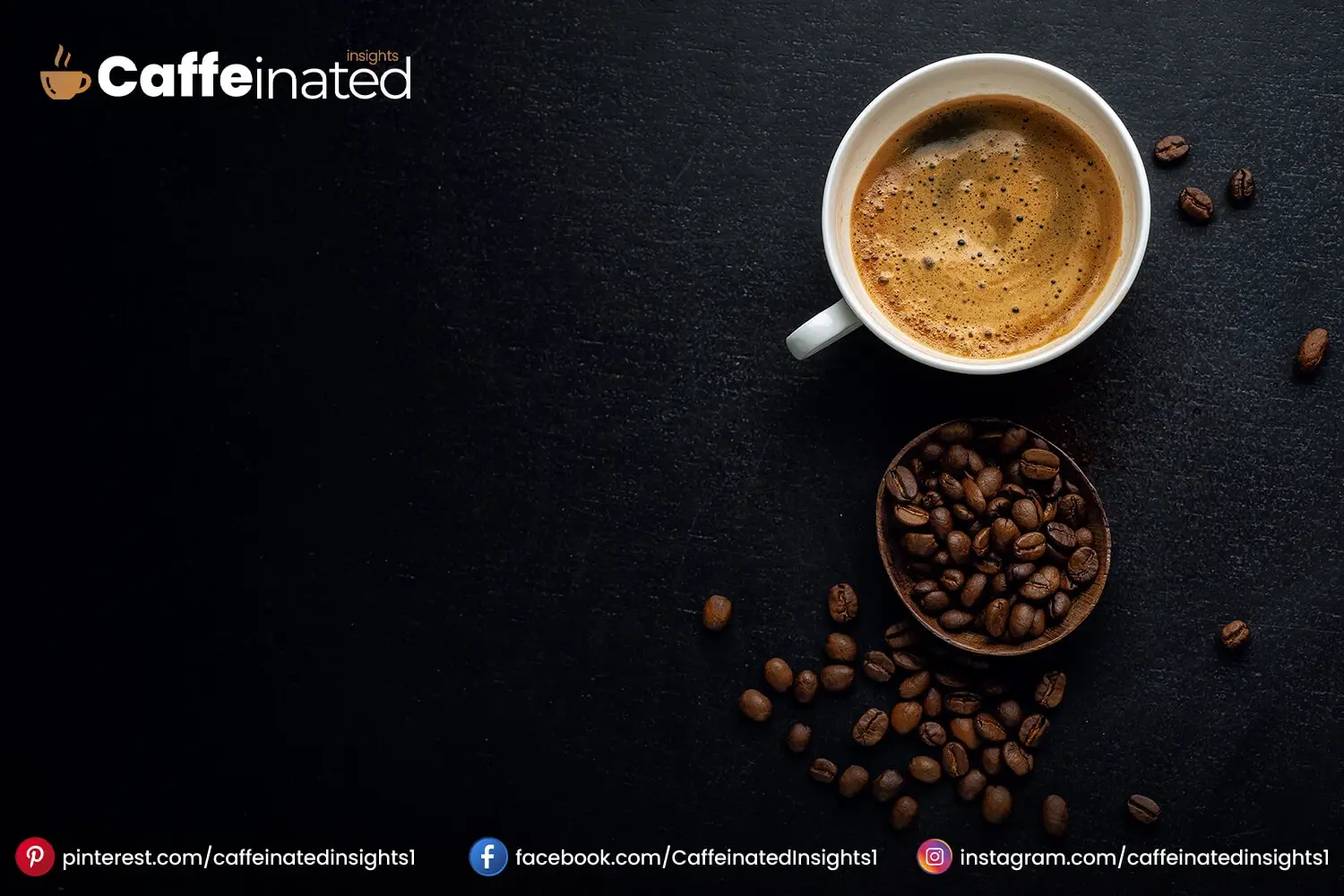
Coffee is one of the most profitable products in the world and one of the top three joyful beverage products substitutes across the globe.
History
Coffee plants maybe from Kepha (Caffa), Ethiopia, is taken to southern Arabia and placed (Cultivated) farmed in the 15th Century. Just one of legends about the coffee sources is that of Kaldi (Kaldi is the Coffee shop chain or brand name in some countries), an Arab goatherd who was confused by the strange antics of his flock. Around 850 CE Kaldi clearly sampled of the berries of the evergreen shrub on which the goats were supplying and, on experiencing a sense of exhilaration widely reported discovery of the world.

The coffee was launched in a European nation ongoing throughout 16th and 17th centuries.
Close the seventeen centuries, the finite resources coffee provision was obtained almost completely from the area of Yemen in Southern Arabia. Coffee was produced for the first time in Hawaiian history in 1825.
The 20th century the highest specialized production was located in the Western Hemisphere in particular Brazil. After that in the 19th and early 20th centuries commercial grinding and roasting machines came in to use, Vacuum-packed containers were expended for ground roasts, decaffeination technique for green coffee beans were developed.
Bean Processing
The fully developed fruits of the coffee plant are known as coffee cherries, and cherry contain two coffee beans (seeds) placed horizontally against one another. Only five percent cherries include only one seed and it’s called pea berries, those single seeds are tiny and tighter and generate, in the judgment of some, a sweeter, enhance flavorful coffee.
The cherries are processed by dividing the coffee seed from their coverings and from the pulp and by the dehydrated seeds, all beans must be removed from their fruit, there are three main ways to change (convert) coffee, the moist (and washed) method the organic process or the hydrated process, and the combined process known as the semi- washed or “pulped natural” method.
The end product from those technique is known as green coffee beans, and now it’s suitable for roasting.
Grading
The green coffee has been husked (peeled) and processed, it is ready to be selected for high-heat processing and sold for roasting. The practice of assessment and classifying gives buyers and sellers a guarantee concerning the origin, nature, and the quality of the product to aid their discussions.
Coffee growing nation boasts a significant number of classified by type and quality on properties such as growing regional altitude, botanical classification processing technique, bean size and quality, roast appearance, density and imperfections but there is lacking of standardized evaluation method and grading system. Some coffee is brown shade and is likely to be certified organic.
Coffee packaging
Pouch-contained coffee is formulated to provide secure (a safe locked) vacuum-sealed packaging. Generally well-liked coffee beans verities are Arabica, Robusta, Excelsa and Liberia. The most effective way to select your coffee is brewed black coffee. Single serving almost zero-calories or low-carb, Fat free, low sodium.
Plain coffee also has essential nutrients, such as mineral rich like k (symbol), magnesium Mg (symbol) and nicotinic acid vitamin B3.

Benefits of coffee
More to coffee then an energy boost in simple words coffees beyond energy. Regular coffee intake may also reduce diabetes risk and reduced depressive symptoms, help with weight loss and helps to support a longer lifespan.
Keep that in mind moderate caffeine consumption if you are pregnant or nursing mothers. Research suggests or analysis indicates that coffee consumption can lower heart disease risk, brain attack and heart failure disease.
Support brain health
Coffee is a beloved beverage and is frequently seen as perfect daily pick-me up. It’s interesting to note it is also a brain health booster with intentional consumption. Coffee contains high levels of caffeine, oxidative stress reducers, plus active compounds, enhance concentration, emotional state, memory, and may decrease neurological disorder risk.
FAQ’S
1- What is a coffee blend?
A coffee blend is a material made from coffee beans from various sources. The idea in back of combination is to take the best qualities from different source to make a smooth well balanced testing coffee. Multiple coffee blends are crafted to work with or without milk.
2- What is the history of coffee packaging?
Even the coffee got consumed for more than thousand years, it essentially started for packaging and storage during the early 18th
3- What are the rules for coffee storage?
To prevent loss of flavor in storage condition observe these rules, keep coffee in a sealed container, ideally ceramic, stable metal, with hermetic seal. Storing coffee in a cool, away from direct rays of sunlight and heat. Purchase coffee as needed that will be use within a week to 10 days.
4- Are packaged coffee beans healthy?
Instant coffee (powder coffee) slightly reduced caffeine and higher acrylamide level then regular coffee but packed with identical antioxidant content. Generally, Instant coffee has healthy benefits, calorie-free drinks (diet beverages) associate with the same health advantages as different coffee varieties.
5- What’s the nutritional value of coffee?
Enjoy appreciate a cup of coffee with caffeine is associated with better mood and reduced depression risk for particular groups. Consuming 3-4 various cups of coffee daily may lowered risk of brain attack in some specific individual groups. Coffee’s potential anti-cancer effects of the mouth, throat and digestive health system.
6- What are four pillars of coffee?
Coffee is over then simply a morning routine; it is an experience that delightful the sensibilities and energizes the soul. Four key components that figure out the quality and flavor in every sip, source, roast, crush, and brew.
