
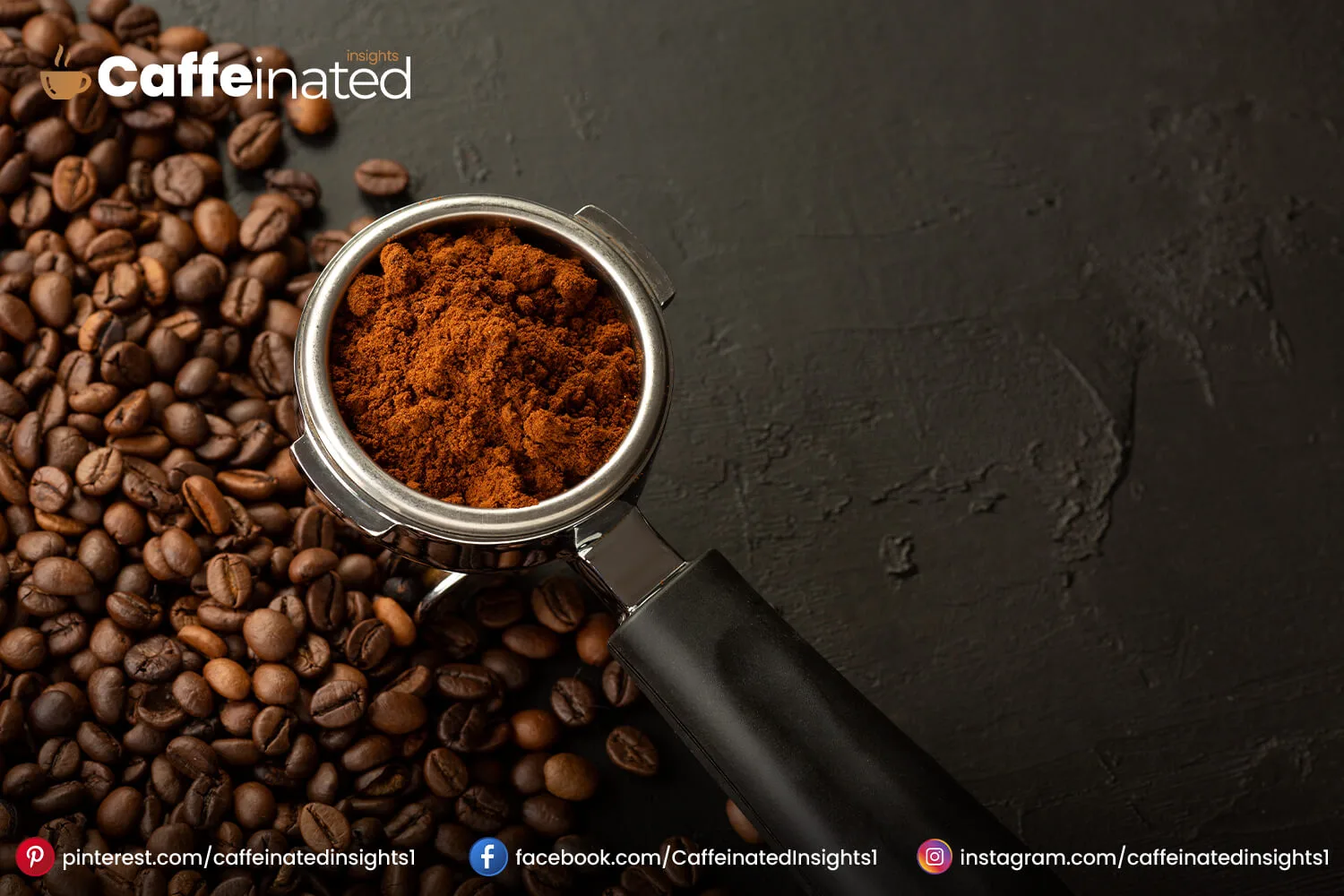
How to Brew Whole Bean Coffee: The Step-by-Step Instructions for a perfect sip
Brewing whole coffee beans is an art that allows you to be in touch with your freshest and most fragrant cup of coffee, you grind the freshly roasted beans just before your brew, preserving oils and flavors making coffee richer and more aromatic for you.
This guide gives you the process of whole bean coffee brewing, including the selection of the bean to various brewing methods, which are all explained.
1- Selection of High-quality Whole Bean Coffee
Even before you begin brewing, high-quality bean selection is crucial. Know how to pick the correct beans:
- Single Origin vs. Blends : Single-origin coffee comes strictly from one region, where each region provides distinct flavor flavors. Blends collect various beans from different regions which balance the flavor.
- Roast Level: Roasting level also decides flavor level:
Light Roast: Bright, acidic with more of the bean’s original flavor
Medium Roast: Balanced with a mix of the beans’ origin and roasting flavors.
Dark Roast: This one is strong and full with a deeper, roasted flavor.
2- Grind Your Coffee Beans
Roast your coffee at home for the absolute freshest flavor. Depending on your brewing method, grind size will vary as follows:
- Coarse Grind: French press, cold brew, or percolators. The grind size is chunky; not allowing fine particles to get over-extracted.
- Medium-Coarse Grind: Chemex or siphon brewers
- Medium Grind: Good for drip coffee makers, pour-over brewing
- Fine Grind: Good for espresso machines and Aeropress when using short brew time
- Extra Fine Grind: Best suited for Turkish coffee that has a very fine, powdery grind.
Grind your beans with a burr grinder for consistent grounds. Blade grinders result in uneven grinds that can impact the flavor.
3- Measure Your Coffee
The ratio of coffee to water differs by brewing method, but a good starting point is:
- 1:15 ratio (1 part coffee to 15 parts water) for drip coffee and pour-over.
- 1:17 ratio for French press or cold brew, as those methods tend to extract more flavors. You can always adjust the ratio based on your taste preferences—if you like stronger coffee, use more coffee grounds.
4- Brewing Methods
Here are some popular methods to brew your whole bean coffee:
1- Drip Coffee Maker
This is one of the easiest and most common ways to brew coffee.
Steps
1. Place the ground coffee in the coffee maker’s filter.
2. Put clean, filtered water in the water reservoir. Fill it according to your chosen ratio of coffee to water.
3. Proceed to brew. The water is hot, and so passes through the grounds to take up the coffee flavor.
4. Once done brewing, pour and enjoy the freshly made cup.
2- French Press
A French press will give a thick, full-bodied flavor and aroma of coffee in your cup.
Steps
- Add coarse ground coffee to the French press (about 1-2 tablespoons for every 6 ounces of water).
- Boil water and let it cool for a few seconds before pouring over the coffee grounds.
- Stir gently to make sure all the grounds are saturated.
- Put the lid on the French press but do not press down yet. Let the coffee steep for about 4 minutes.
- Start pushing the plunger slowly down to separate grounds and coffee.
- Pour to your cup to drink.
3- Pour-over (e.g., Chemex or V60)
Pour-over is a brew that requires you to manually have control over the rate in which water flows and as such, it is preferred more for enthusiasts.
Steps
- Place a paper filter in your pour-over dripper such as Chemex or V60
- Pour medium ground coffee into the filter: 1-2 tablespoon for every 6 oz of water.
- Boil the water and cool it down to approximately 200°F (93°C).
- Pour a small amount of water over the grounds and allow the coffee to release gases. Wait for 30 seconds.
- Pour the rest of the water in a circular motion allowing the coffee to drip through.
When the coffee is brewed remove the dripper and enjoy
4- Espresso Machine
Espresso brewing needs fine coffee grounds and a very precise technique.
Steps
- Fill the portafilter with finely ground coffee. The amount is around 18-20 grams for a double shot.
- Tamp the grounds firmly so that they lie flat on the surface.
- Insert the portafilter into the machine and initiate the espresso shot.
- Wait for the rich, concentrated espresso to extract.
- Once the shot is ready, use it as espresso or to make lattes, cappuccinos, or other espresso-based beverages.
5- AeroPress
Aero press is a small but versatile brewing device, fantastic for a strong, smooth coffee.
Steps
- Place fine-medium ground coffee into the Aero press-about 1-2 tbsp.
- Boil water and let it cool down for a few seconds; pour it over the grounds.
- Stir mixture then steep for 30 sec to 1 min
- Attach the filter cap and slowly press the plunger to draw out the coffee.
- Serve immediately.
6- Cold Brew
Cold brew coffee is made by steeping ground coffee in cold water for a long time, usually 12-24 hours.
Steps
- Mix coarsely ground coffee with cold water in a jar or pitcher (1:8 ratio of coffee to water).
- Stir the mixture and let it steep in the fridge for 12-24 hours.
- Strain the coffee through a fine mesh sieve or coffee filter.
- Dilute with water or milk if desired, then enjoy chilled.
Tips Brew Coffee
- Use Fresh Water; quality water is a good reason why your coffee isn’t as tasty as one in the store. Filtrate the water so it tastes good.
- The Temperature; if the water’s too hot or two cold, it will likely brew either under-extracted, over-extracted, usually it is about 200F or 93 degrees.
- Clean Equipment: Clean your coffee maker, grinder, and all other equipment to avoid oil formation and get the best flavor.
- Grind Size and Ratio: Let it loose-grind size or ratio of coffee to water until it gets the best brewing for you.
- Storage: Store your whole beans in an airtight container in a cool, dry place to keep them fresh.
Conclusion
Brew whole bean coffee at home, and taste a flavor of coffee fresh and superior to that offered pre-ground anywhere. From easy drip brews, rich-bodied French presses, to the careful shot of espresso, freshness of beans, the appropriate grind, and the technique of brewing all add up as the secrets of success. So go ahead and start experimenting with a variety of techniques to determine the ideal brew for you.
